


Introduction
Renovating an old house can feel impossible when you don’t have a budget. Yet, learning how to renovate an old house with no money is achievable with creativity, patience, and planning. Many homeowners across the USA have transformed their worn-out homes into comfortable, functional spaces without spending a single dollar. The secret lies in using sweat equity instead of cash, applying deep cleaning instead of remodeling, and repurposing materials that would otherwise go to waste. This guide will show you step by step how to turn an old house into a livable home without breaking the bank.
Older homes often come with both charm and challenges. Peeling paint, drafty windows, leaky roofs, and outdated wiring are common. The good news is that by following practical strategies, you can repair, refresh, and upgrade your home without spending money. You will learn how to reuse and repurpose materials, focus on prioritize essential repairs first, and implement zero budget home improvement strategies that save time and energy while improving the overall value and livability of your home.
Why Renovate an Old House With No Money
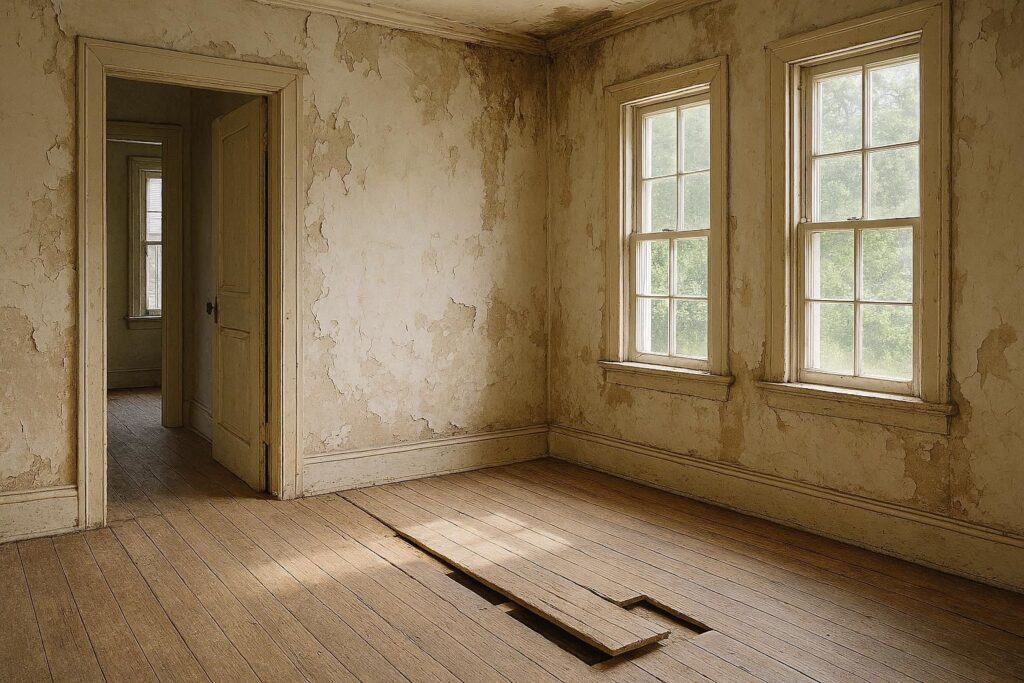
Renovating without money allows homeowners to focus on essential repairs first. By addressing safety, plumbing, and structural concerns before aesthetics, you prevent small problems from turning into major expenses later. This approach reflects the principle of focus on functionality before aesthetics. It ensures your home becomes safer and more livable while keeping costs at zero. Many homeowners find that tackling these urgent issues first builds confidence and motivation to continue working on the home.
Additionally, renovating without spending money develops valuable skills. You learn practical techniques like painting, carpentry, minor plumbing, and repair work. These skills last a lifetime and reduce dependence on contractors. As one homeowner said, “Time spent fixing your own home pays rent forever.” Using this approach aligns perfectly with zero budget home improvement strategies and supports a slow, sustainable, and rewarding transformation.
1. Mindset: Realistic Goals With Zero Budget
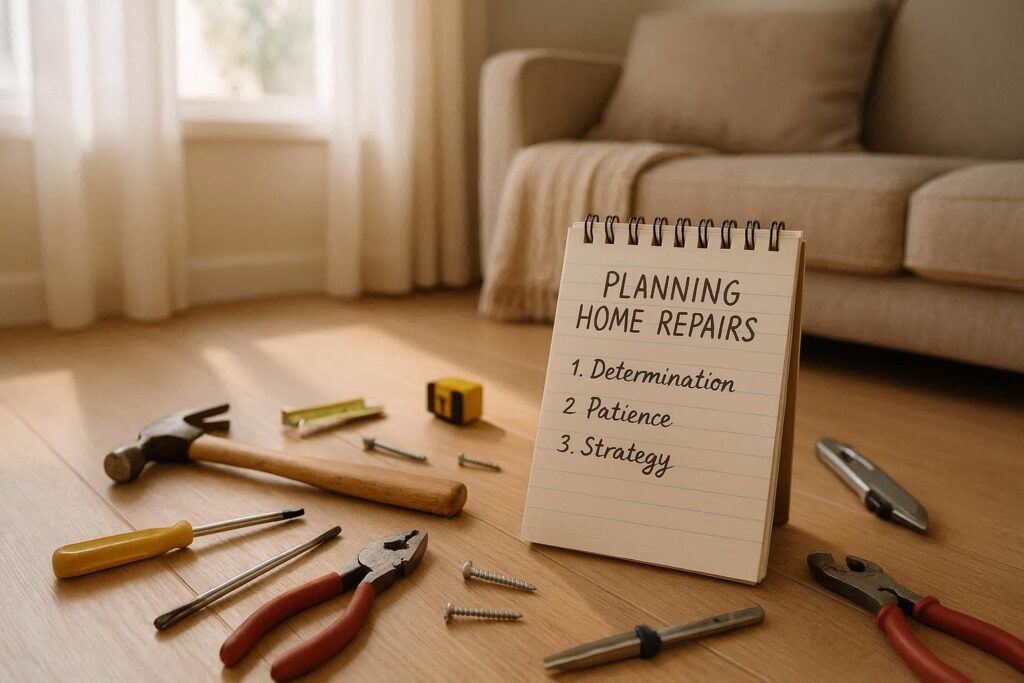
The right mindset is critical for success. When you start a no-money renovation, perfection is not the goal—progress is. Focusing on essential fixes first, like leaks, loose floorboards, and broken fixtures, ensures that your home becomes functional and safe. Remember, patience is key in renovation, and small wins accumulate over time, giving a sense of achievement and momentum.
Learning as you go is another important mindset shift. By learning skills instead of hiring, you save money and gain confidence. Websites, YouTube tutorials, and free workshops provide guidance on essential techniques. This approach also aligns with DIY instead of hiring contractors, allowing homeowners to maintain control of their renovation, improve efficiency, and make measurable progress even without spending a dime.
2. Planning Your Renovation Without Spending Money
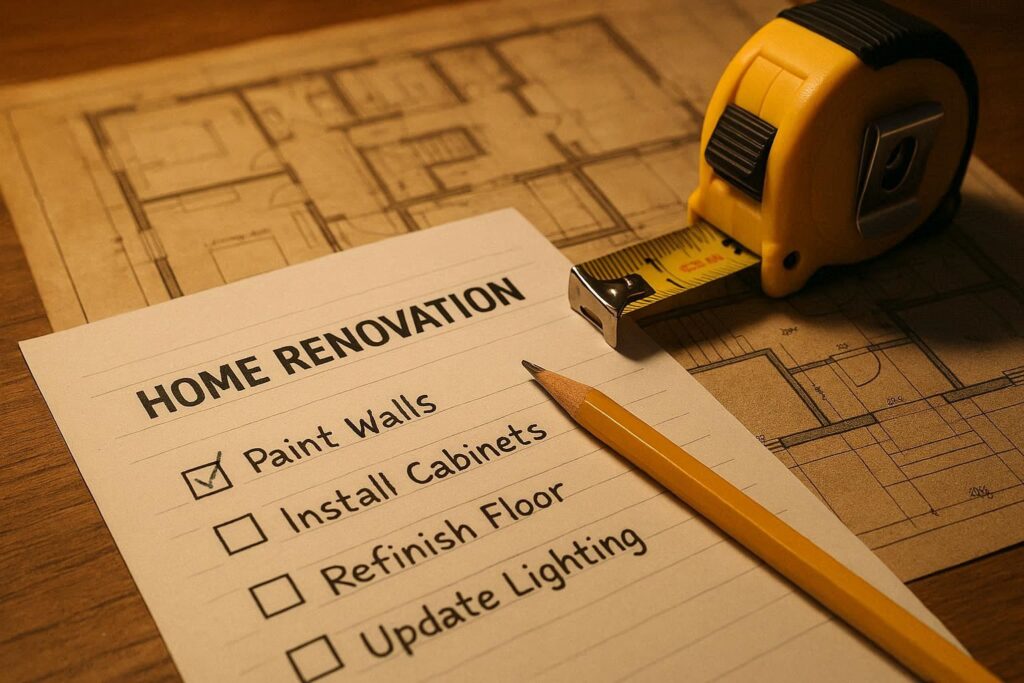
Effective planning is the foundation of a successful zero-budget renovation. Start by listing urgent problems, such as roof leaks, unstable structures, and faulty wiring. Prioritize these over cosmetic upgrades. This ensures that prioritize essential repairs first remains the guiding principle and prevents unnecessary work that wastes both time and energy.
Seasonality is important, especially in the USA. Exterior repairs like roofing, siding, and landscaping are best done in spring or summer, while interior work like painting, minor carpentry, and cleaning can be done in winter. Following a phased renovation approach allows you to work in manageable stages. Planning this way helps avoid unnecessary expenses and keeps the renovation organized and stress-free.
3. Evaluate the House Before You Start
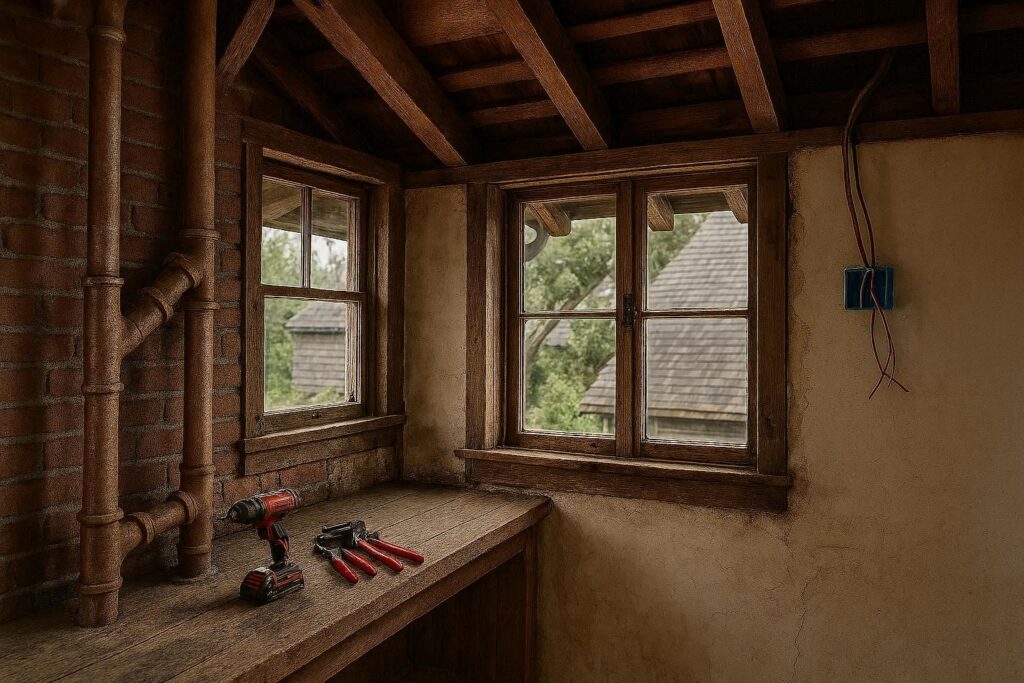
Before starting any work, carefully inspect your house. Look for structural issues, leaks, water damage, and outdated electrical or plumbing systems. By focusing on focus on safety and structure, you prevent future problems and ensure your home remains habitable throughout the renovation. A proper evaluation also helps you identify what to fix first in an old house, making your zero-budget efforts more effective and purposeful.
Ignoring evaluation can lead to surprise expenses. For example, a small unnoticed leak may result in mold or structural damage. By adopting a careful approach, such as fixing house gradually, you manage repairs systematically, preventing costly mistakes and making steady, noticeable progress.
4. How to Renovate an Old House With No Money (Core Strategies)
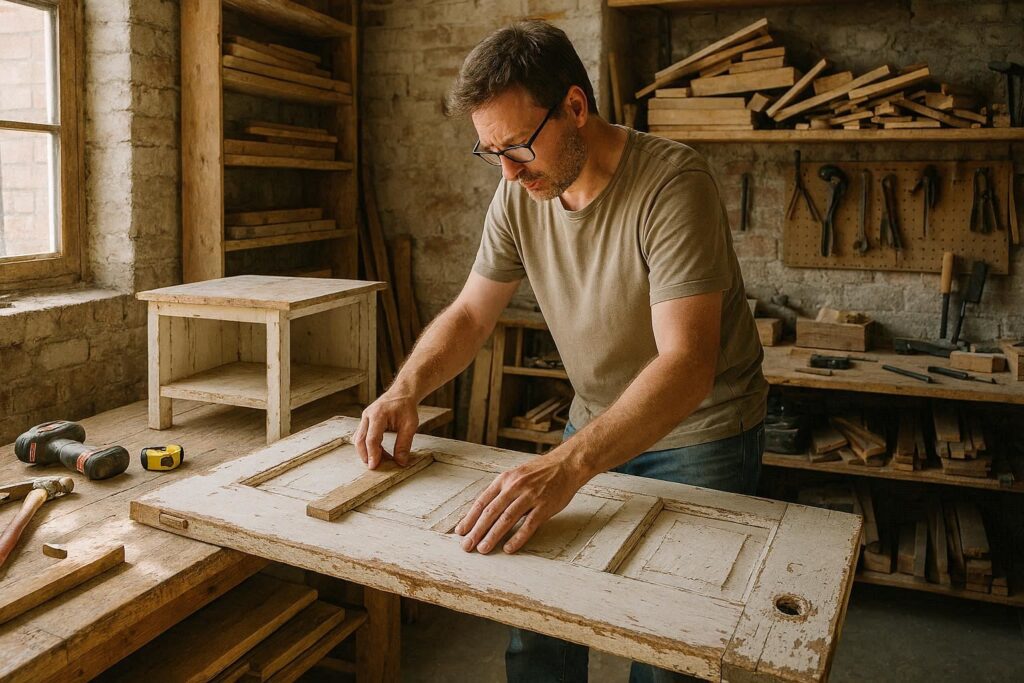
The core of how to renovate an old house with no money is using creativity, effort, and community resources instead of cash. Start by using what you already have. Old doors can become tables, broken cabinets can be repurposed as storage, and leftover wood can be used for shelves. These strategies save money while providing practical solutions for everyday problems.
Cleaning, repairing, and rearranging are often more effective than replacing entire items. Many homeowners find success by implementing deep cleaning instead of remodeling. It makes rooms feel fresher, brighter, and more functional immediately. Engaging in home renovation without money requires patience, but these small, consistent improvements help transform your home over time.
5. Where to Find Free or Cheap Materials
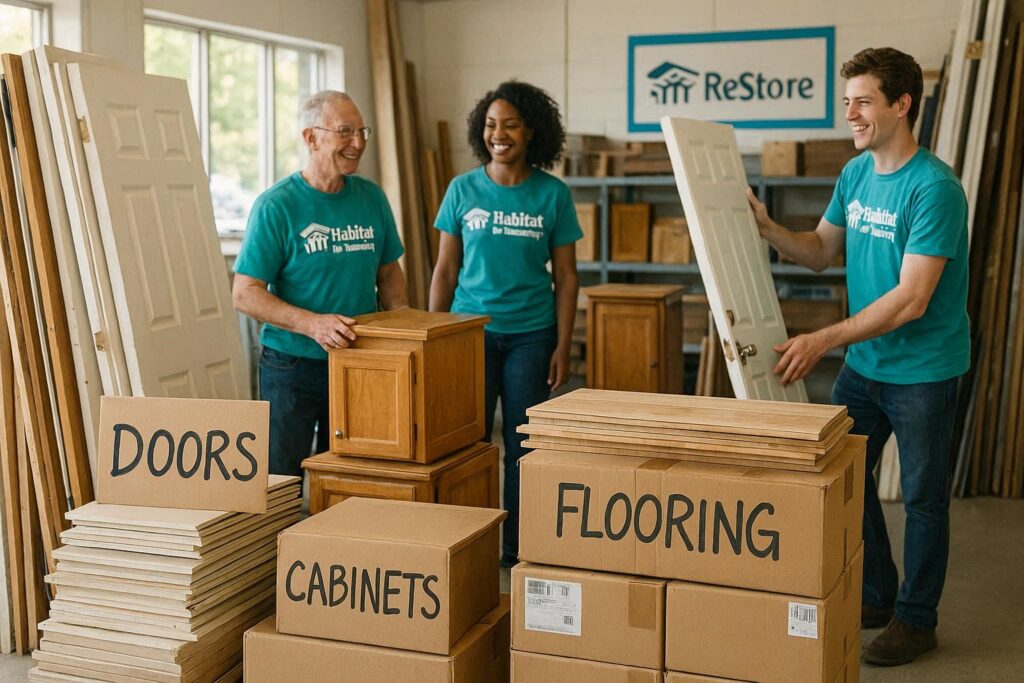
Finding materials without spending money is crucial for a zero-budget renovation. In the United States, many people discard usable items that you can repurpose. Online platforms like Facebook Marketplace, Craigslist, Freecycle, and local Buy Nothing groups are excellent sources of free building materials. Habitat for Humanity ReStores provide donated or discounted cabinets, doors, flooring, and fixtures.
Here’s a simple table of common sources for salvaged materials:
| Source | Items Available | Why It’s Free or Cheap |
|---|---|---|
| Habitat ReStore | Cabinets, doors, flooring | Donations and overstock |
| Curb alerts | Lumber, tiles, furniture | Residents discard usable materials |
| Buy Nothing groups | Fixtures, paint, hardware | Community sharing |
| Craigslist Free Section | Windows, doors, tools | Free items offered by owners |
Sourcing materials from these channels allows you to renovate an old home cheaply without sacrificing quality or function.
6. DIY Fixes That Cost Little Or No Money
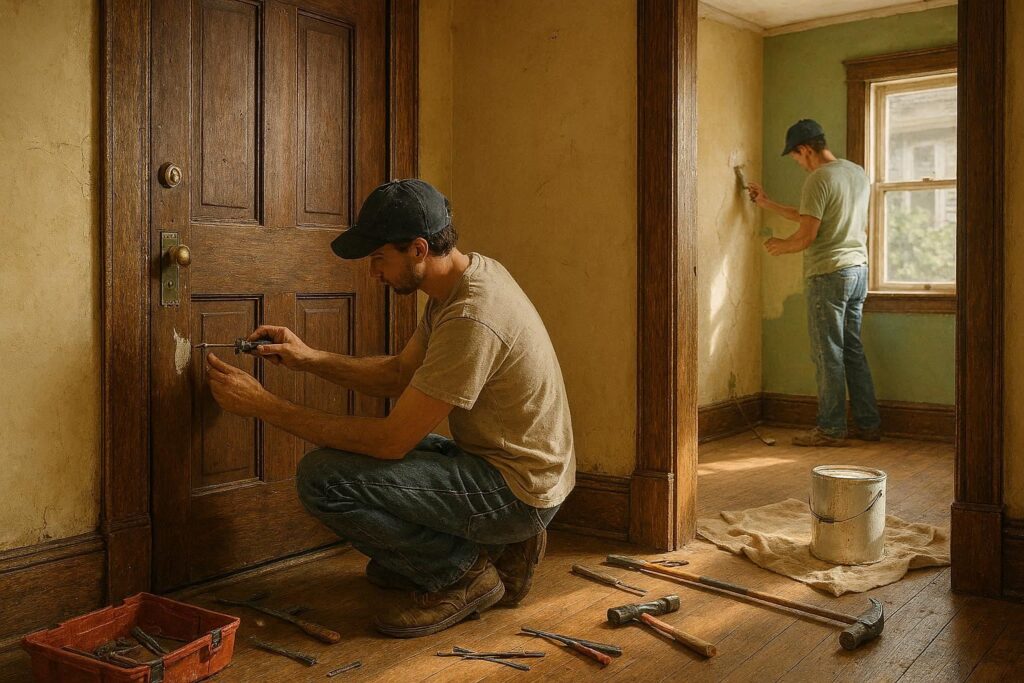
DIY work is the cornerstone of any zero-budget renovation. These projects may seem small, but they have a large impact on comfort, safety, and appearance. Examples of tasks you can do yourself include:
- Tightening loose door hinges, cabinet handles, and windows
- Patching holes or cracks in walls
- Repainting a single room using leftover paint
- Blocking gaps around windows and doors to prevent drafts
- Repairing leaky faucets or minor plumbing issues
Learning basic home repairs DIY skills is essential. By mastering these techniques, you reduce dependence on contractors and save money. Focusing on DIY instead of hiring contractors empowers you to take control of your renovation and ensures zero budget home improvement becomes practical and sustainable. Over time, these small improvements create visible, meaningful changes in your home.
7. Repurposing & Upcycling Old Materials
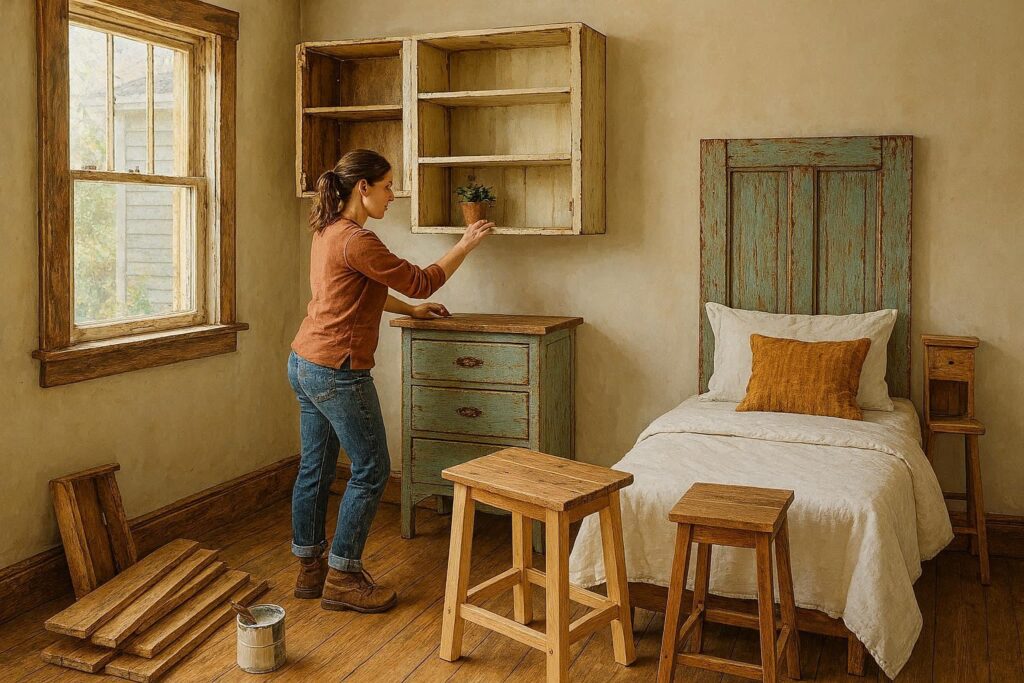
One of the most effective ways to renovate without spending money is through repurposing and upcycling old materials. Many homeowners overlook items they already own that can be transformed into something useful or decorative. For example, broken cabinets can be turned into storage shelves, old doors can become headboards or coffee tables, and leftover wood can be used for small furniture projects. By focusing on renovate old house using recycled materials, you reduce waste, save money, and add a unique, personal touch to your home.
Successful upcycling often requires creativity and planning. Consider creating a list of items that can be repurposed before starting a project:
- Old doors → Tables or headboards
- Broken drawers → Wall-mounted shelves or shoe storage
- Scrap wood → Floating shelves, plant stands, or small furniture
- Leftover tiles → Backsplash patches or decorative wall accents
Using upcycling home renovation ideas not only makes your home functional but also sustainable. Many homeowners report that creatively using materials they already have makes the renovation process more satisfying and helps maintain cheap ways to renovate a house.
8. Creative Alternatives to Expensive Renovation Tasks
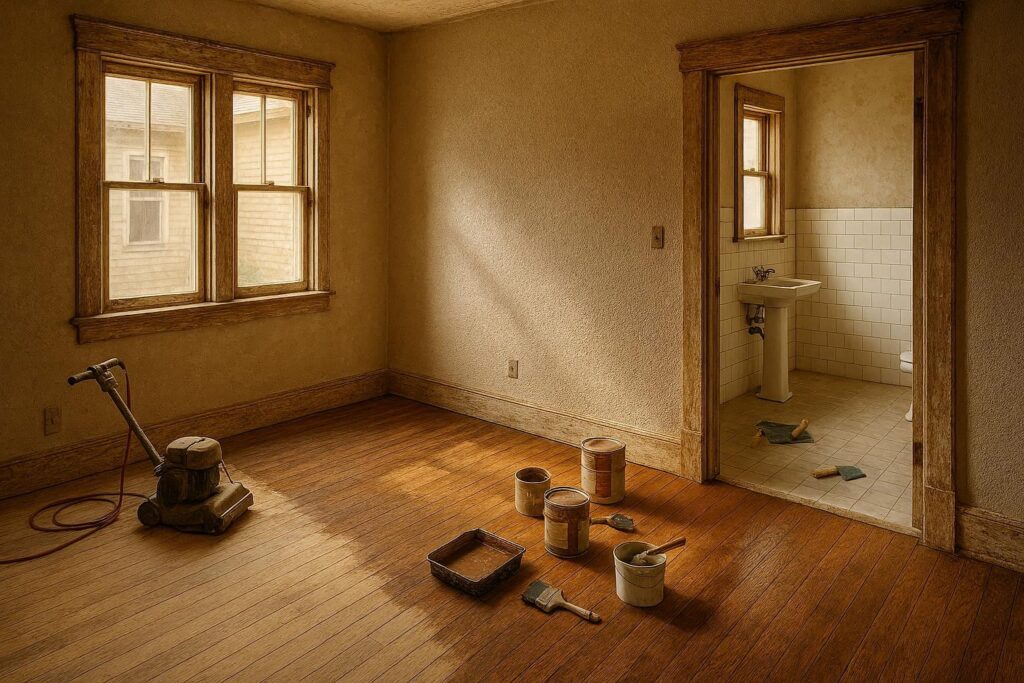
Renovating an old home doesn’t always require replacing everything. Creative alternatives to expensive renovation tasks can save you time and money while improving your home’s look and functionality. For instance, instead of replacing old hardwood floors, sanding and staining them can restore their beauty. Bathroom tiles can often be refreshed with deep cleaning and re-grouting instead of complete replacement. These approaches align with repairing instead of replacing, which is essential for zero-budget renovations.
Other creative strategies include using paint or wallpaper to transform walls, adding temporary shelving instead of building new cabinets, or repurposing furniture to suit new functions. A few simple ideas include:
- Sanding and staining old wooden furniture instead of buying new
- Cleaning and re-grouting bathroom tiles rather than replacing them
- Using textured paint or removable wallpaper to refresh walls
- Rearranging furniture to optimize space and flow
These solutions emphasize that small improvements make a big difference. Even with no money, you can achieve a home that feels modern, functional, and inviting.
9. Bartering & Getting Help for Free Labor
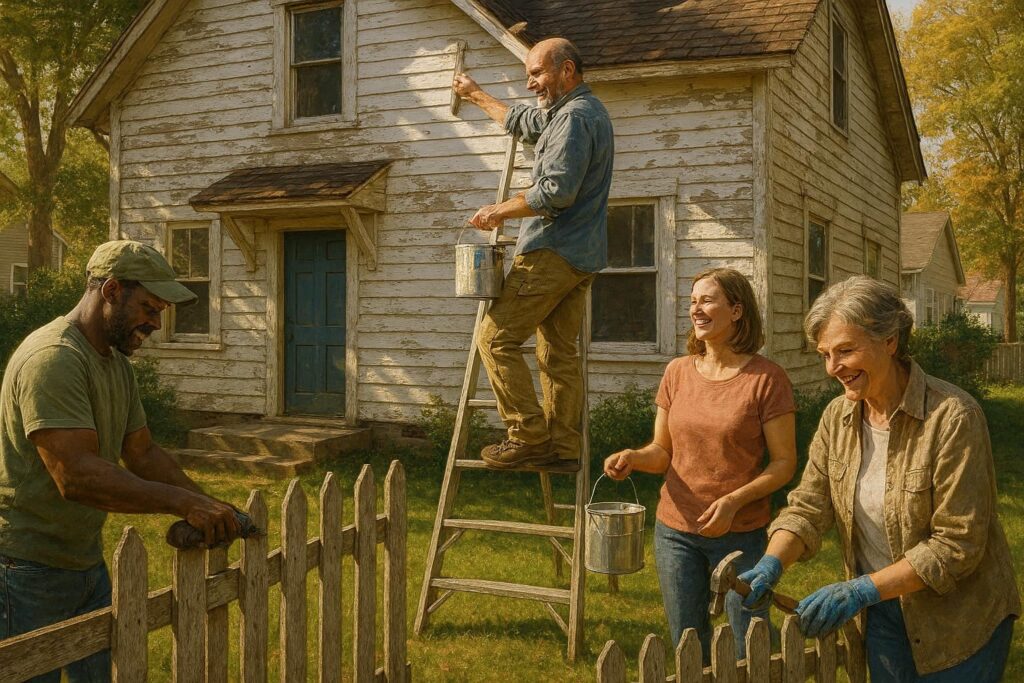
You don’t have to renovate alone. Many homeowners successfully complete zero-budget renovations by bartering and getting help for free labor. Community networks, friends, and neighbors can provide skills or assistance in exchange for favors, meals, or other services. This is an effective way to gain access to specialized skills without spending money.
Tips for successful bartering include:
- Be clear about expectations and tasks before starting
- Offer something of value in return, like gardening or cleaning
- Build relationships with local communities or neighborhood groups
Using trade skills for labor can significantly reduce renovation time and cost. Many American homeowners find that collaborating with neighbors or friends not only saves money but also builds community and creates a sense of shared accomplishment.
10. Room-by-Room Low-Cost Ideas
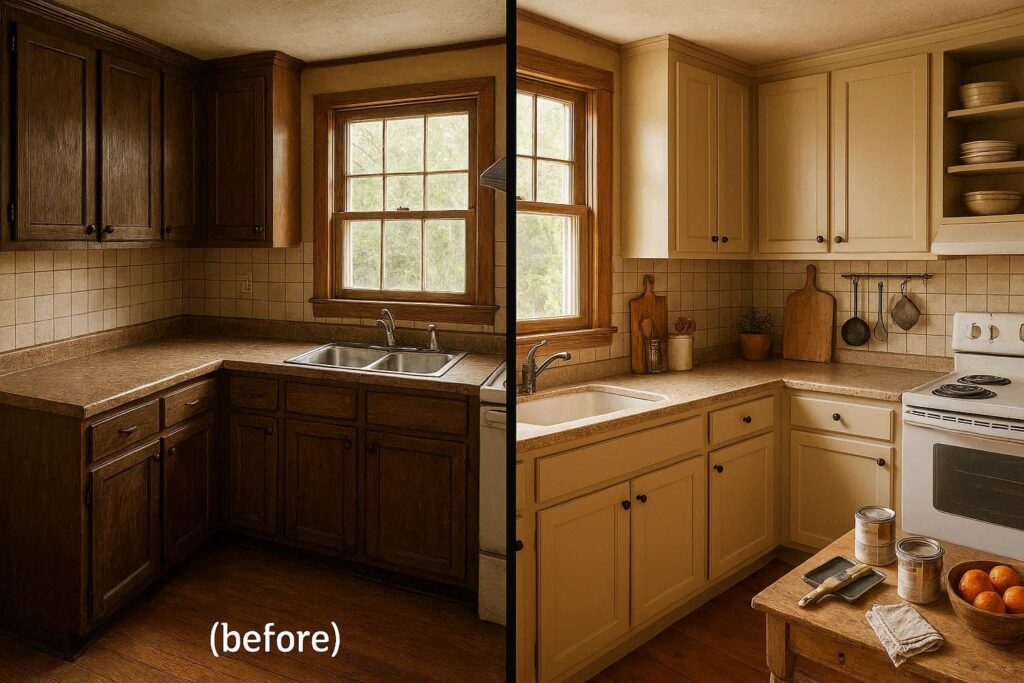
Working room by room helps manage your renovation efficiently. Kitchens, bathrooms, bedrooms, and living areas all have specific low-cost improvement opportunities. For example, in the kitchen, cleaning and organizing cabinets, repairing handles, and using leftover paint for walls can transform the space. Bathrooms benefit from resealing caulk, fixing leaky faucets, and reorganizing storage. Bedrooms can be refreshed with minor wall repairs, furniture rearrangement, and decluttering.
Breaking down renovations into smaller tasks also allows you to see progress quickly. A sample plan for a room-by-room approach might include:
- Kitchen → Clean cabinets, paint walls, repair handles
- Bathroom → Re-caulk, repair leaks, organize storage
- Living Room → Repair furniture, clean surfaces, optimize layout
- Bedroom → Paint walls, fix bed frames, rearrange furniture
By working systematically, you ensure that small improvements make a big difference, making each area livable and functional while still on a zero budget.
11. Improving Curb Appeal Cheaply
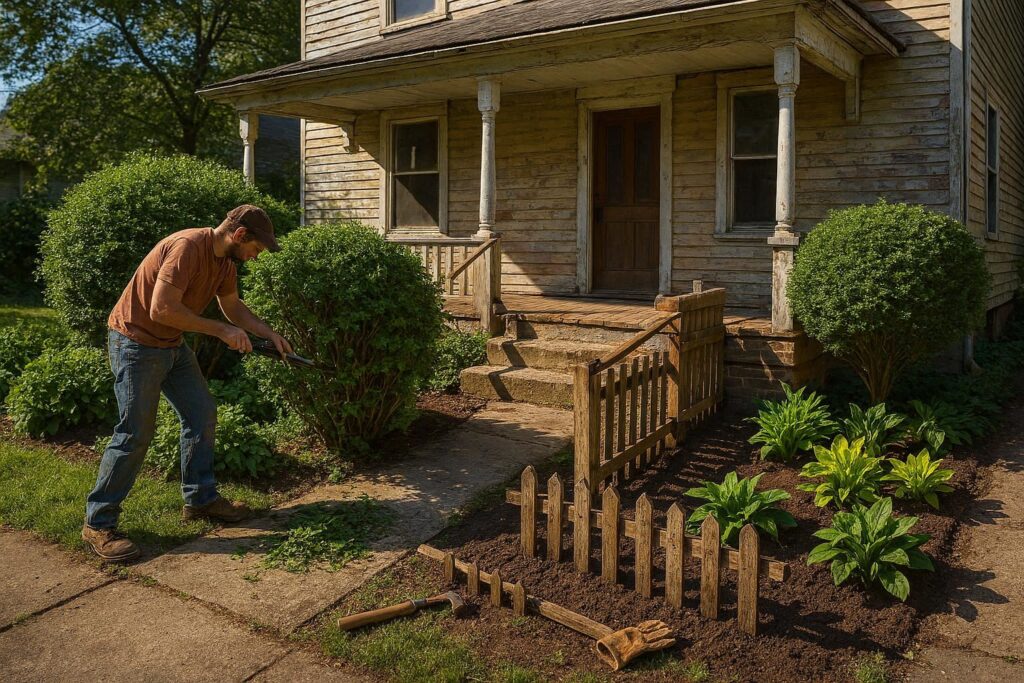
Curb appeal is often the first impression a home gives, and improving it doesn’t need money. Simple steps like cleaning the yard, trimming overgrown plants, repairing fences, and painting the front door can make a home feel welcoming and cared for. These methods are excellent examples of improve livability without spending.
Other low-cost strategies include:
- Power washing sidewalks and driveways
- Placing potted plants or flowers near entrances
- Repairing gutters or exterior fixtures
- Reusing scrap wood or materials to fix fences
Many homeowners report that investing effort in curb appeal motivates them to continue indoor renovations. These inexpensive actions often set the tone for a full-scale old house makeover ideas.
12. Phased Renovation When You Have No Money
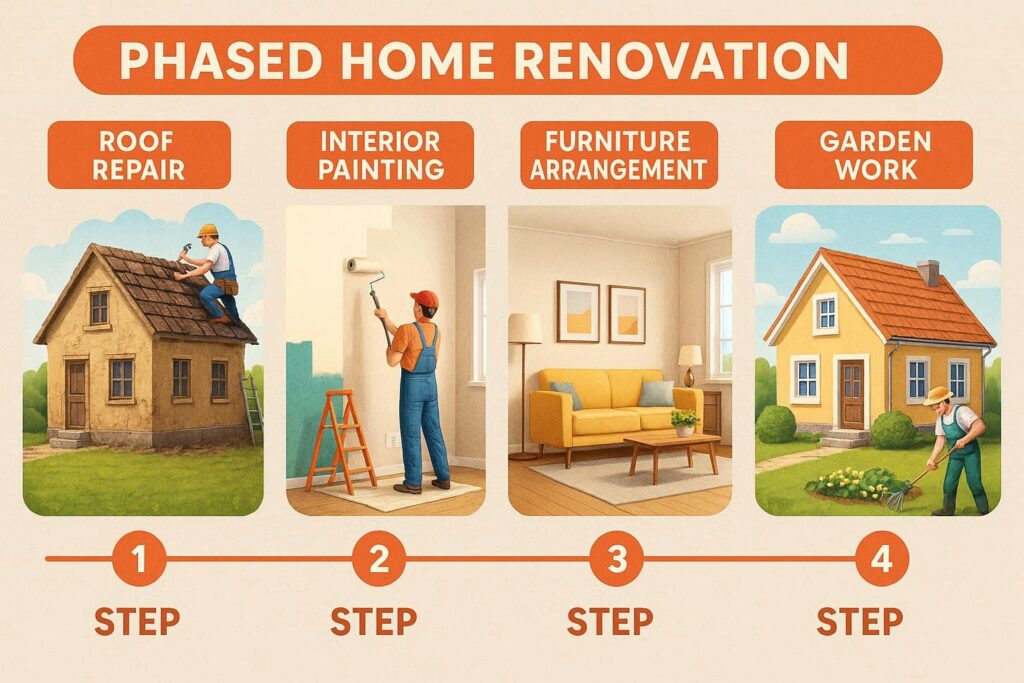
A phased renovation approach is vital for zero-budget projects. Instead of tackling everything at once, spread your work across months or years. This allows time for material collection, learning new skills, and completing projects properly. For example, one phase could focus on structural repairs, the next on cosmetic upgrades, and the following on landscaping or outdoor improvements.
A phased approach ensures steady progress and prevents burnout. Homeowners who adopt this strategy report higher satisfaction because they can:
- Plan projects according to seasonal advantages
- Collect free materials over time
- Avoid rushing and making costly mistakes
- See tangible results after completing each phase
By embracing fixing house gradually, homeowners stay motivated and make continuous improvements without spending money.
13. Avoiding Hidden Costs During Renovation
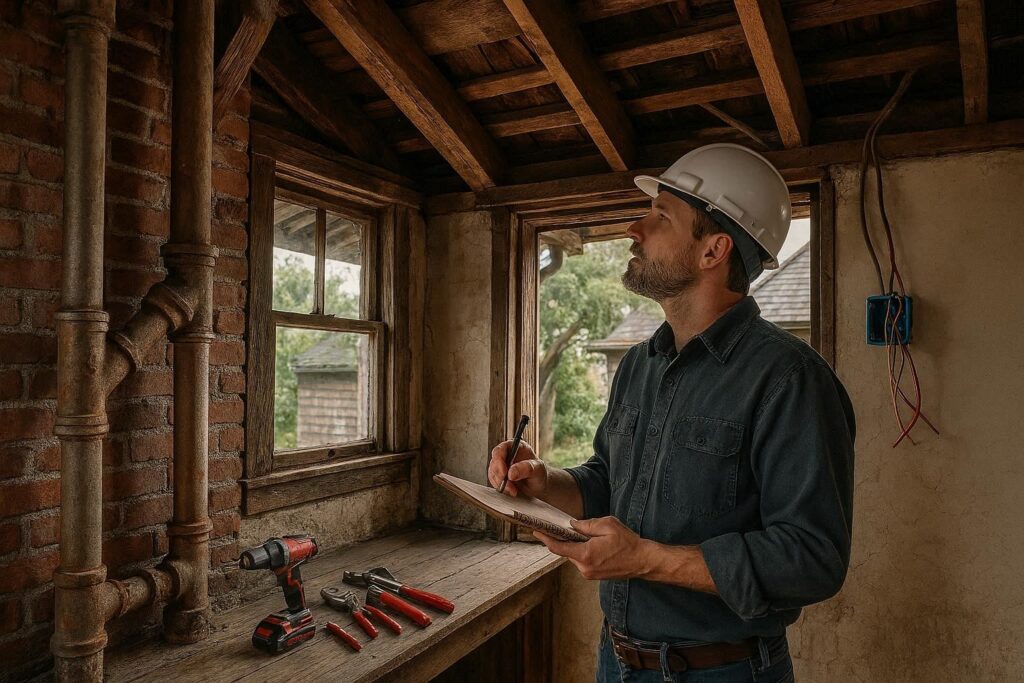
Even when working with no money, hidden costs can sneak up and derail your plans. Many homeowners ignore permits, misjudge structural issues, or underestimate the time and effort required for certain tasks. In the United States, some renovations require legal compliance, such as minor electrical or plumbing changes, so always check local building codes before starting any project. Being proactive helps avoid unnecessary expenses and ensures your zero-budget renovation remains truly cost-free.
Unexpected problems like water damage, mold, or termite infestations are common in old houses. To minimize these issues, take the following steps:
- Inspect the foundation, roof, plumbing, and wiring before starting major projects
- Address structural and safety issues first to prevent costly repairs later
- Plan for contingencies, such as minor repairs that may arise during renovations
- Use free building materials and repurposed items to offset any small costs
By preparing in advance, you ensure that your cost-effective home improvement project stays on track and avoids surprises that could otherwise drain time and resources.
14. Mistakes to Avoid When Renovating on a Zero Budget
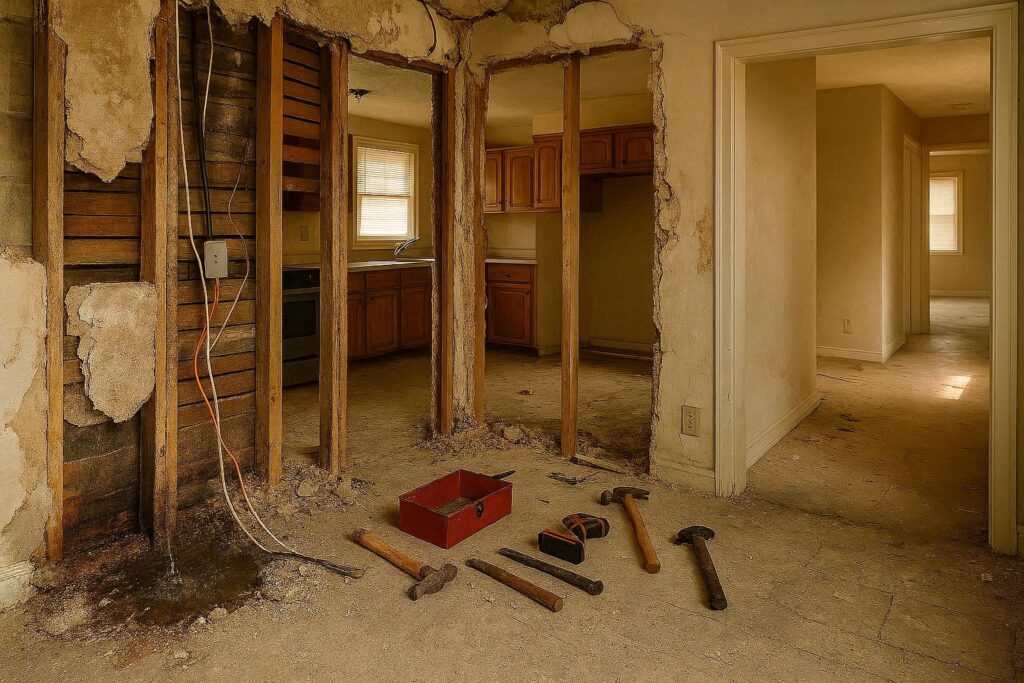
Renovating an old house with no money is challenging, and certain mistakes can make the process much harder. One common error is over-demolishing, which often leads to unnecessary repairs. Another is ignoring safety hazards such as faulty wiring, mold, or rotten wood. Starting too many projects simultaneously without completing them can also reduce efficiency and motivation. Remember, patience is key in renovation, and completing tasks methodically ensures better results.
Other mistakes include undervaluing skill-building. Homeowners who skip learning basic home repairs DIY often end up calling in contractors, defeating the purpose of a zero-budget renovation. To avoid these pitfalls:
- Focus on essential repairs before cosmetic upgrades
- Learn skills online or through community workshops
- Complete one task fully before moving to the next
- Inspect your home regularly to identify hidden issues early
Following these strategies prevents setbacks and ensures that your zero budget home improvement efforts succeed.
FAQ
Can you renovate a house with no money?
Yes. With effort, creativity, and careful planning, homeowners can improve functionality, comfort, and appearance without spending money. Techniques like DIY instead of hiring contractors, reuse and repurpose materials, and phased renovations make renovate old house with no money achievable.
What is the cheapest way to renovate a house?
Prioritize urgent repairs, repurpose materials, and use deep cleaning instead of remodeling. Learning basic home repairs DIY skills allows you to handle tasks yourself, eliminating labor costs.
What should you fix first in an old house?
Start with safety and structural concerns. This includes the roof, foundation, plumbing, and electrical systems. Once these are stable, cosmetic upgrades can be tackled in a phased approach.
Is DIY renovation worth it in the U.S.?
Absolutely. DIY saves money, builds skills, and allows phased, incremental improvements. It supports zero budget home improvement while empowering homeowners to take control of their projects.
Conclusion
Renovating an old house with no money is entirely possible with creativity, patience, and determination. By investing time instead of money, learning basic home repair skills, and using free building materials, homeowners can transform even the most rundown property into a safe, functional, and welcoming home.
From minor repairs to upcycling home renovation ideas, each small improvement contributes to the overall transformation. Whether you’re repairing leaky faucets, sanding old wood, or improving curb appeal, every action matters. By following a phased renovation approach, avoiding hidden costs, and working methodically, you can turn an old house into a beautiful home while spending zero money. Start small, stay consistent, and watch your home evolve into a space you can be proud of.

Wellcom to BudgetDiyDen! I’m Faizan Malik, an AI Powerd SEO , and Content writer withfour years of experience.
At BudgetDiyDen, where We shares simple, affordable home renovation and décor ideas. We focuses on practical tips, clever DIYs, and budget-friendly solutions that help homeowners transform small spaces with confidence.